
MANICURED STATES
This investigation was derived while creating work on Hyperlocalism & Identity with a focus on public space as a social construct: a space that is never entirely neutral, but shaped by decisions about what can be seen, who can be represented, and which forms of expression are considered acceptable. As a street artist and public artist, my relationship to public space has always been central to my practice. I believe public art should represent the people it serves. It should be accessible to the communities and neighbourhoods in which it exists because, fundamentally, it is made for the public.
Yet in Singapore, public space is also a site of regulation, negotiation and quiet censorship. Murals and public artworks are often commissioned, and therefore already shaped by multiple layers of decision-making: from institutional approval to curatorial framing, to broader state guidelines around what is permissible. In this context, visibility is never neutral. It is granted, negotiated, and at times withheld. This raises a deeper question that sits at the core of this investigation: who gets to leave a mark? And by extension, who is allowed to be remembered, to be seen, and to exist within the visual language of the city?
The themes permitted in public space are often shaped by concerns around heritage, nostalgia, national identity and social harmony. At the same time, artists and institutions frequently participate in a form of self-policing, anticipating restrictions around subjects considered sensitive, including sexuality, race, religion, politics and other forms of social conflict. While the need to maintain harmony within a diverse society is understandable, the absence of difficult or marginalised narratives from public space also reveals how cultural visibility is constructed- and how it can quietly exclude.
This investigation emerged from a desire to examine not only representation, but also erasure: whose stories are amplified, whose are softened, and whose are rendered invisible within the cultural hegemony of the city. These works aim to consider how public space holds multiple coexisting realities.
Public art can function as a mirror held up to society. For me, street art is a love letter to society and the government. But it is also a question of authorship: who is allowed to hold that mirror, and what is permitted to appear within it. It can reflect not only the values we are comfortable celebrating, but also the people, experiences and histories that are actively excluded from view.
The investigation (and their responses) asks what public space might become if representation were understood not as the avoidance of discomfort, but as an acknowledgement of the full complexity of the people who share it- and of those who have been denied the ability to leave a mark at all.
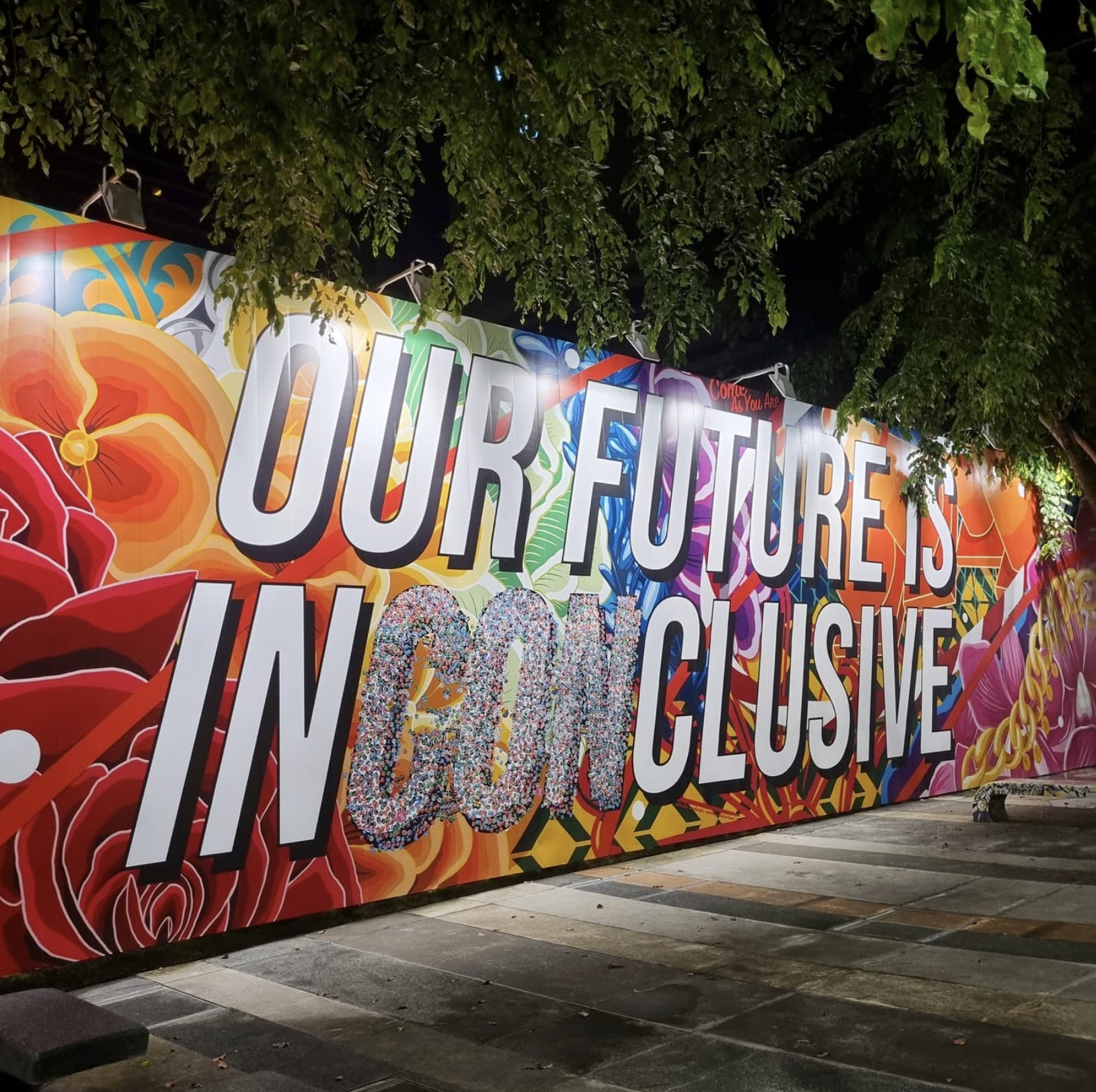
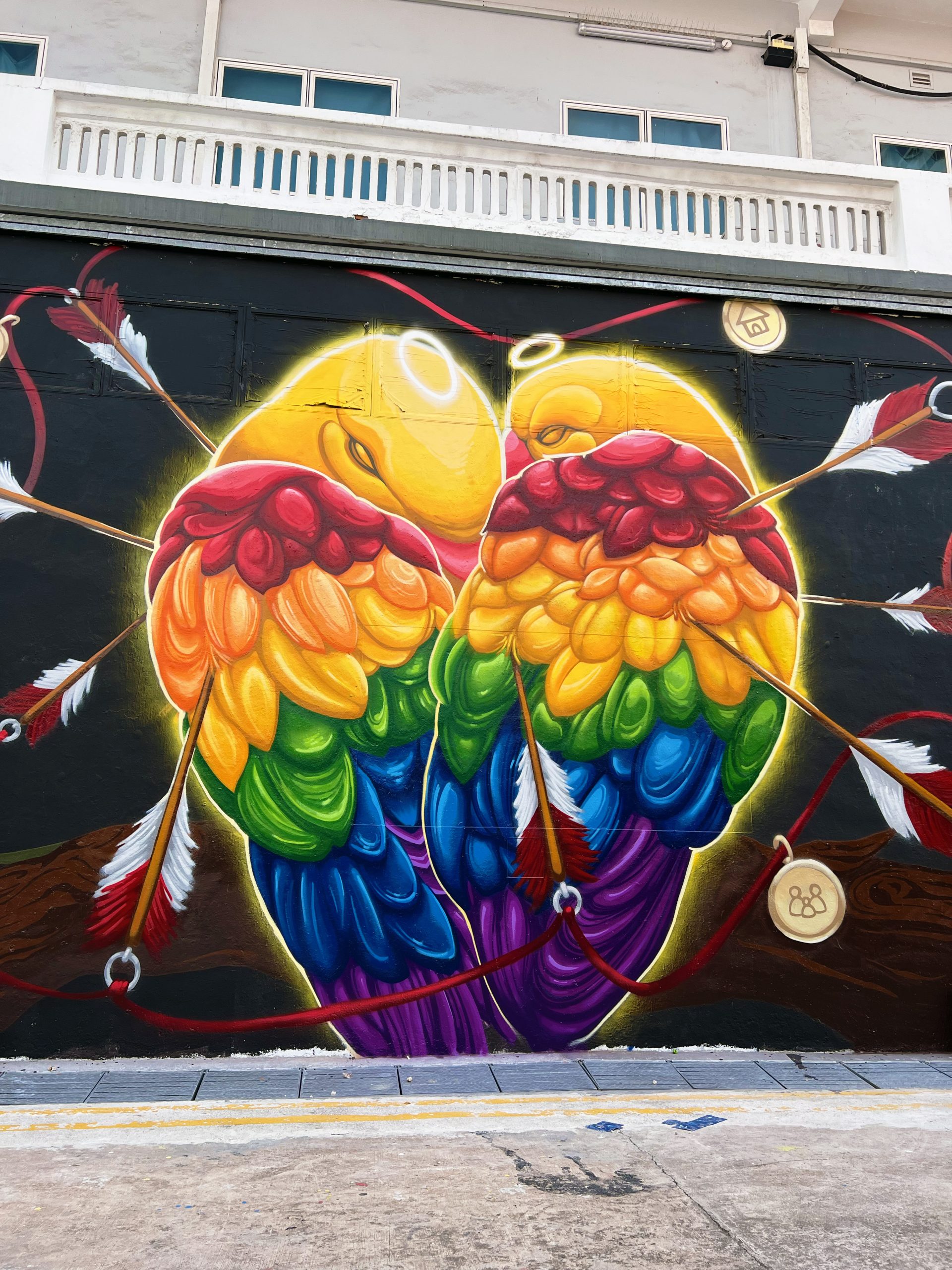
MORE WORK RELATED TO THIS INVESTIGATION
ONGOING INVESTIGATIONS
The following investigations are evolving areas of inquiry that have emerged across the practice. They are not fixed categories, but provisional frameworks through which recurring questions, ideas and concerns can be understood. As the practice develops, these investigations may expand, overlap, merge or give rise to new ones.

© Copyrights 2026 All Rights Reserved